Buy fedhav.eu ?
We are moving the project
fedhav.eu .
Are you interested in purchasing the domain
fedhav.eu ?
domain@kv-gmbh.de · 0541-91531010
Buy fedhav.eu ?
What about the shaft?
The shaft is a long, narrow part of a structure or object that typically provides support or serves as a passageway. In the context of machinery or equipment, the shaft is often used to transmit power or motion from one part to another. It is important to ensure that the shaft is properly aligned, lubricated, and maintained to prevent wear and damage, which can lead to equipment failure. **
Is it a mechanical shaft?
Without more context or information, it is difficult to determine if the object in question is a mechanical shaft. A mechanical shaft is typically a rotating component used to transmit power in machinery. To determine if the object is a mechanical shaft, one would need to examine its shape, size, material, and function within a larger system. If the object is cylindrical, metal, and part of a machine that requires rotational movement, it is possible that it could be a mechanical shaft. **


Similar search terms for Surface Shaft
Top-Angebote
Products related to Surface Shaft:
-
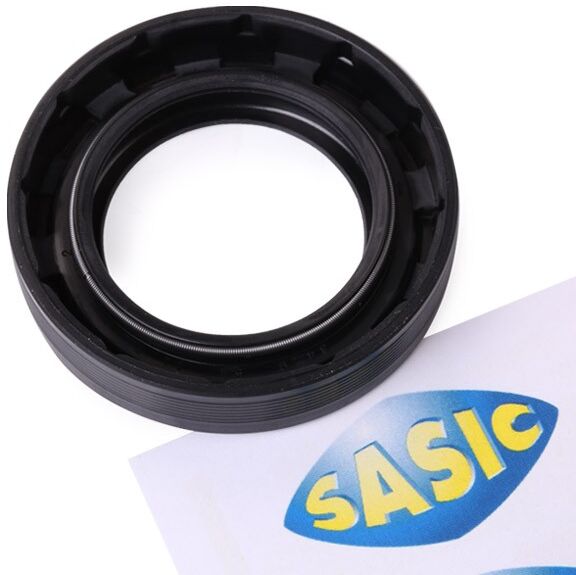
SASIC 1950002 Shaft Seal, differentialFitting Position: Front Axle, Right; Outer Diameter [mm]: 54; Inner Diameter [mm]: 35; Thickness: 11; for OE number: 301033; Production date from: 07/94, 07/06; Production date to: 01/02, 07/06, 12/18, 06/067,59 £*Shipping: 8,45 £Secure redirect to the provider


-
What is a supply shaft?
A supply shaft is a vertical or inclined tunnel used to transport materials, equipment, or personnel between the surface and underground mining operations. It serves as a vital lifeline for miners by providing access to the underground workings for ventilation, transportation, and the delivery of supplies. Supply shafts are typically equipped with cages or skips that move up and down the shaft to transport materials and personnel safely. These shafts are essential for the efficient operation of underground mines. **
-
How scary is the shaft?
The level of scariness of the shaft can vary depending on individual perceptions and experiences. Some people may find the shaft to be quite scary due to its dark and narrow passageways, potential for claustrophobia, and the sense of being deep underground. Others may not find it particularly scary, especially if they are comfortable in enclosed spaces and enjoy the adventure of exploring underground environments. Overall, the scariness of the shaft is subjective and can differ from person to person. **
-
What is this shaft for?
This shaft is typically used to transmit power from one part of a machine to another. It can be found in various types of machinery such as engines, pumps, and conveyor systems. The shaft is designed to rotate and transfer torque, allowing the machine to perform its intended function. It is an essential component in many mechanical systems, providing the means to transfer energy and motion. **
-
How is a shaft constructed?
A shaft is typically constructed by first excavating the ground to the required depth and diameter. Then, a support structure such as steel or concrete lining is installed to stabilize the walls of the shaft and prevent collapse. The shaft may also be reinforced with additional materials such as rock bolts or shotcrete. Finally, the bottom of the shaft is often sealed with a concrete plug to provide a stable foundation for any structures or equipment that will be installed within the shaft. **

What is a transverse shaft?
A transverse shaft is a type of shaft that runs perpendicular to the direction of the main shaft or axis. It is commonly used in vehicles with front-wheel drive systems to transfer power from the engine to the front wheels. The transverse shaft helps distribute power evenly to the wheels, allowing for better traction and handling. This design is often used in compact cars and other vehicles where space is limited. **
What is the difference between a power take-off shaft and a drive shaft?
A power take-off (PTO) shaft is a type of drive shaft that transfers power from a vehicle's engine to an attachment or implement, such as a pump or generator. The main difference between a PTO shaft and a regular drive shaft is that a PTO shaft is specifically designed to transfer power to external equipment, while a drive shaft is typically used to transfer power within a vehicle's transmission or between different components of a vehicle. Additionally, PTO shafts are often detachable and can be connected and disconnected as needed, whereas a drive shaft is a permanent component of a vehicle's drivetrain. **
Top-Angebote
Products related to Surface Shaft:
-
Inspired Finds Cat Scratching Board Mat With Claw Grinding Surface For Furniture Protection Cat Scratching Board Mat With Claw Grinding Surface For Furniture ProtectionGive your cat a dedicated place to scratch, stretch, and play while helping protect your furniture from everyday claw marks. This cat scratching mat is designed to satisfy your cat's natural scratching instincts, providing an engaging surface for...34,99 $*Shipping: 0,00 $Secure redirect to the provider
-
What about the shaft?
The shaft is a long, narrow part of a structure or object that typically provides support or serves as a passageway. In the context of machinery or equipment, the shaft is often used to transmit power or motion from one part to another. It is important to ensure that the shaft is properly aligned, lubricated, and maintained to prevent wear and damage, which can lead to equipment failure. **
-
Is it a mechanical shaft?
Without more context or information, it is difficult to determine if the object in question is a mechanical shaft. A mechanical shaft is typically a rotating component used to transmit power in machinery. To determine if the object is a mechanical shaft, one would need to examine its shape, size, material, and function within a larger system. If the object is cylindrical, metal, and part of a machine that requires rotational movement, it is possible that it could be a mechanical shaft. **
-
What is a supply shaft?
A supply shaft is a vertical or inclined tunnel used to transport materials, equipment, or personnel between the surface and underground mining operations. It serves as a vital lifeline for miners by providing access to the underground workings for ventilation, transportation, and the delivery of supplies. Supply shafts are typically equipped with cages or skips that move up and down the shaft to transport materials and personnel safely. These shafts are essential for the efficient operation of underground mines. **
-
How scary is the shaft?
The level of scariness of the shaft can vary depending on individual perceptions and experiences. Some people may find the shaft to be quite scary due to its dark and narrow passageways, potential for claustrophobia, and the sense of being deep underground. Others may not find it particularly scary, especially if they are comfortable in enclosed spaces and enjoy the adventure of exploring underground environments. Overall, the scariness of the shaft is subjective and can differ from person to person. **
Similar search terms for Surface Shaft
-
SASIC 1950002 Shaft Seal, differentialFitting Position: Front Axle, Right; Outer Diameter [mm]: 54; Inner Diameter [mm]: 35; Thickness: 11; for OE number: 301033; Production date from: 07/94, 07/06; Production date to: 01/02, 07/06, 12/18, 06/067,59 £*Shipping: 8,45 £Secure redirect to the provider
-
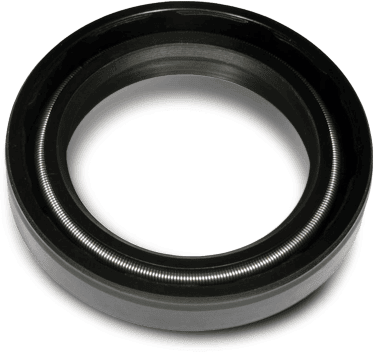
PAYEN NA5205 Shaft Seal, differentialHeight 1 [mm]: 10; Outer Diameter [mm]: 58; Material: FPM (fluoride rubber)/ACM (polyacrylate rubber); Radial Shaft Seal Design: 827S DD W; Swirl Type: Alternating Twist; Rotation Direction: Clockwise rotation, Anticlockwise rotation; directional: ; Fitting Position: Front Axle, Left, Outlet, both sides; Transmission Type: Manual Transmission, Automatic Transmission5,99 £*Shipping: 8,45 £Secure redirect to the provider
-
RIDEX 630S0019 Shaft Seal, differentialInner Diameter 1 [mm]: 35; Outer Diameter 1 [mm]: 54,85; Outer Diameter 2 [mm]: 61,20; Height 1 [mm]: 8,90; Height 2 [mm]: 15,10; Material: ACM (Polyacrylate); Fitting Position: Outlet, Right, both sides, Left, Front Axle; Transmission Type: 6-Speed Manual Transmission, Manual Transmission, Semi-automatic; Transmission Code: M32, F40, F25, M20, M20 EASYTRONIC, F35, M40 CV6, F40, M32; Vehicle Identification Number (VIN) from: 41000001 ->, 48000001 ->; Vehicle Identification Number (VIN) to: -> 31999999, -> 389999995,99 £*Shipping: 8,45 £Secure redirect to the provider
-
What is this shaft for?
This shaft is typically used to transmit power from one part of a machine to another. It can be found in various types of machinery such as engines, pumps, and conveyor systems. The shaft is designed to rotate and transfer torque, allowing the machine to perform its intended function. It is an essential component in many mechanical systems, providing the means to transfer energy and motion. **
-
How is a shaft constructed?
A shaft is typically constructed by first excavating the ground to the required depth and diameter. Then, a support structure such as steel or concrete lining is installed to stabilize the walls of the shaft and prevent collapse. The shaft may also be reinforced with additional materials such as rock bolts or shotcrete. Finally, the bottom of the shaft is often sealed with a concrete plug to provide a stable foundation for any structures or equipment that will be installed within the shaft. **
-
What is a transverse shaft?
A transverse shaft is a type of shaft that runs perpendicular to the direction of the main shaft or axis. It is commonly used in vehicles with front-wheel drive systems to transfer power from the engine to the front wheels. The transverse shaft helps distribute power evenly to the wheels, allowing for better traction and handling. This design is often used in compact cars and other vehicles where space is limited. **
-
What is the difference between a power take-off shaft and a drive shaft?
A power take-off (PTO) shaft is a type of drive shaft that transfers power from a vehicle's engine to an attachment or implement, such as a pump or generator. The main difference between a PTO shaft and a regular drive shaft is that a PTO shaft is specifically designed to transfer power to external equipment, while a drive shaft is typically used to transfer power within a vehicle's transmission or between different components of a vehicle. Additionally, PTO shafts are often detachable and can be connected and disconnected as needed, whereas a drive shaft is a permanent component of a vehicle's drivetrain. **
* All prices are inclusive of VAT and, if applicable, plus shipping costs. The offer information is based on the details provided by the respective shop and is updated through automated processes. Real-time updates do not occur, so deviations can occur in individual cases. ** Note: Parts of this content were created by AI.